
AI SayI
50. Multimodal Large Language Models: Input Encoding & Joint Reasoning Explained In Hindi
4:52

AI SayI
49. LangChain vs. LlamaIndex vs. LangGraph: How They Work Together | In Hindi
6:05

AI SayI
48. Agentic LLMs vs. Chat-Based LLMs: What’s the Difference? | In Hindi
5:34

AI SayI
47. What are the Different Types of LLMs? Proprietary vs. Open-Source Explained In Hindi
4:31

AI SayI
46. FID (Fréchet Inception Distance) Explained: Generative Quality & BLEU Comparison | In Hindi
6:09

AI SayI
45. BLEU Score Explained: Evaluating Machine Translation & NLP Models | In Hindi
4:32

AI SayI
44. LLM Evaluation Techniques Explained: Human, Metrics & Benchmarks In Hindi
6:30

AI SayI
43. LLM Evaluation Explained: Why It’s Critical for AI Deployment In Hindi
4:52

AI SayI
42. How to Update LLM Knowledge: RAG, Fine-Tuning & More Explained In Hindi
4:40

AI SayI
41. What is LLM Hallucination? Causes & Mitigation Strategies (RAG, RLHF, PEFT) In Hindi
5:35

AI SayI
40. What are Guardrails in LLMs? | AI Safety & Ethics Explained In Hindi
4:22

AI SayI
39. What is Prompt Injection? LLM Security Risks & Prevention Explained In Hindi
5:18

AI SayI
38. LLM Prompting Techniques: Zero-Shot, Few-Shot, and Chain-of-Thought In Hindi
5:46
AI SayI
37. What is Prompt Engineering? | LLM Techniques & Best Practices In Hindi
4:07

AI SayI
36. Vector Stores Explained: The Key to RAG Pipelines (Retrieval-Augmented Generation) In Hindi
4:32

AI SayI
35. Closed-Book vs. RAG Models: Which is Better for LLMs? | Explained In Hindi
4:13

AI SayI
34. RAG Architecture Explained: Retrieval-Augmented Generation Guide In Hindi
5:32

AI SayI
33. What are Multimodal Agents? Definition, Examples & Applications In Hindi
5:30

AI SayI
32. What is LlamaIndex? Connect LLMs to Your Private Data In Hindi
5:23

AI SayI
31. Mastering LangGraph: State Management & Conditional Logic for LLM Agents In Hindi
5:20

AI SayI
30. What is LangChain? | Building AI Apps with LLMs Explained In Hindi
5:33

AI SayI
29. What are Hugging Face Spaces? | Deploy & Share ML Apps Easily In Hindi
4:31

AI SayI
28. Hugging Face Guide: Pipeline vs. Extraction vs. Inference API Compared In Hindi
5:46

AI SayI
27. Hugging Face Explained: Model Hub, Model Cards, and Dataset Hub In Hindi
4:08

AI SayI
26. What is Hugging Face? | Full Guide to Models, Datasets & NLP In Hindi
4:20

AI SayI
25. What is Constitutional AI? (vs. RLHF Explained) In Hindi
5:53

AI SayI
24. What is LLM Distillation? Explained In Hindi
5:55

AI SayI
23. What is RLHF? Reinforcement Learning from Human Feedback Explained In Hindi
5:34

AI SayI
22. Parameter-Efficient Fine-Tuning (PEFT) Explained In Hindi
4:16

AI SayI
21. QLoRA vs LoRA Explained: Fine-Tuning LLMs on Consumer GPUs | In Hindi
5:45

AI SayI
20. How LoRA (Low-Rank Adaptation) Works: Efficient Fine-Tuning Explained In Hindi
5:53

AI SayI
19. Fine-Tuning vs. Transfer Learning: Key Differences Explained In Hindi
6:00

AI SayI
18. What are Vector Databases? (Use Cases in RAG Pipelines Explained) | In Hindi
5:16

AI SayI
17. Embedding Databases Compared: Chroma, Qdrant, Milvus, Pinecone & FAISS | In Hindi
5:16

AI SayI
16. What are Embeddings? How LLMs Understand Language
4:40
AI SayI
15. What is Tokenization? Why It’s Critical for Large Language Models (LLMs) | In Hindi
5:53

AI SayI
14. What is Memory in LLMs? | Implementing Memory in AI Agents | In Hindi
4:34

AI SayI
13. LLM Context Window Explained: Tokens, Memory, and Truncation | In Hindi
5:05

AI SayI
12. Positional Encoding in Transformers Explained | Transformer Architecture In Hindi
4:17

AI SayI
11. Self-Attention vs. Cross-Attention: Key Differences Explained In Hindi
4:09
AI SayI
10. Transformers & Attention Mechanisms Explained: Q, K, and V | In Hindi
5:20

AI SayI
9. GANs vs. Diffusion Models Explained | Deep Generative Modeling | In Hindi
5:14

AI SayI
8. Diffusion Models Explained: How They Generate High-Quality Data | In Hindi
5:11

AI SayI
7. GANs Explained: How Generators and Discriminators Create Realistic Data | In Hindi
4:45

AI SayI
6. Variational Autoencoders (VAE) vs. Standard Autoencoders Explained In Hindi
6:14

AI SayI
5. Autoencoders Explained In Hindi: Neural Networks for Data Compression & Reconstruction
4:50

AI SayI
4. Encoder-Decoder Models Explained In Hindi | Seq2Seq Architecture in AI
4:44

AI SayI
3. Agentic AI vs. Generative AI: Key Differences Explained In Hindi
5:23

AI SayI
2. Traditional AI vs Generative AI: What is the Real Difference? Explained In Hindi
4:55

AI SayI
1. Generative AI Architecture: How Transformers and GANs Create Content -- Explained In Hindi
4:35

AI SayI
11. What is Cross-Validation? (k-Fold, Stratified, LOO Explained) In Hindi
8:29

AI SayI
10. Why Accuracy is a TRAP for ML Models (and what to use instead) Explained In Hindi
6:28

AI SayI
9. AUC-ROC Curve Explained In Hindi | Machine Learning Interview Questions
6:42

AI SayI
7. Precision vs. Recall Explained In Hindi | Machine Learning Interview Questions
8:19

AI SayI
1. What Is AWS And Why Is It So Popular? Explained In Hindi
7:51

AI SayI
11. What is a Python Lambda Function? | Python Interview Questions In Hindi
6:36

AI SayI
10. Python: Pass by Value or Reference? (The Perfect Interview Answer) Explained In Hindi
6:00
AI SayI
9. What is the pass Statement in Python? Explained In Hindi
4:34

AI SayI
8. What is a dynamically typed language in Python? Explained In Hindi
3:41

AI SayI
7. Can we Pass a function as an argument in Python? Explained In Hindi
3:59

AI SayI
6. Is Indentation Required in Python? | Python Interview Prep In Hindi
3:34

AI SayI
5. What is the difference between / and // in Python? Explained In Hindi
4:03

AI SayI
4. How do you floor a number in Python? Explained In Hindi
3:49

AI SayI
12. ML Interview Question: What is a Feature Store? Explained In Hindi
3:45

AI SayI
11. Online vs. Offline Model Training Explained (for AI/ML Interviews) In Hindi
5:30

AI SayI
8. CI/CD for MLOps Explained | MLOps Interview Questions In Hindi
5:21

AI SayI
7. Model Training vs. Validation Explained for AI/ML Interviews | Key Concepts & Generalization
5:46

AI SayI
6. MLOps Tools Explained: Essential for AI/ML Engineers & Technical Interviews
5:21

AI SayI
5. What is Data Versioning in MLOps? Explained In Hindi
3:59

AI SayI
4. Version Control in MLOps: Explained for Technical Interviews In Hindi
5:30

AI SayI
3. MLOps Pipeline Components Explained: Acing Your AI/ML Interview
5:23

AI SayI
2. Key Differences: Traditional Software Development vs. Machine Learning (ML) | Tech Interview Prep
4:18

AI SayI
1. MLOps Explained: The Essential Guide for AI/ML Engineers (Interview Prep) In Hindi
4:50

AI SayI
Deep Learning Interview Question: Where Do Vanishing Gradients Occur? In Hindi
4:59

AI SayI
What is the Vanishing Gradient Problem? (A Deep Learning Interview Guide) In Hindi
6:13

AI SayI
Why Your ML Model is Failing: Data Drift & Concept Drift EXPLAINED In Hindi
6:02

AI SayI
ML Interview Question: How to Monitor Deployed Machine Learning Models In Hindi
6:18

AI SayI
Learn Classes and Objects in Java | Object-Oriented Programming for Beginners (OOPs)
7:11
AI SayI
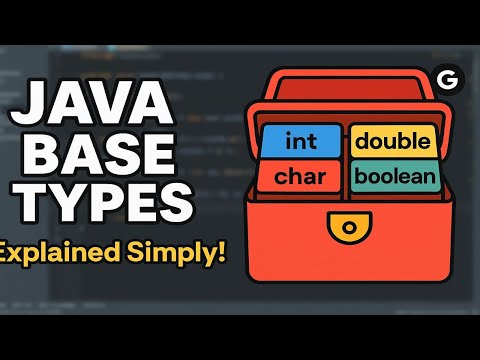
Java Primitive Types Explained | Data Types in Java for Beginners (int, double, char, boolean)
5:57

AI SayI
7 Strategies for Data Scarcity | Machine Learning Interview Question & Answer Explained In Hindi
6:09

AI SayI
How to Prevent Overfitting with Imbalanced Data | Machine Learning Interview Questions In Hindi
6:41
AI SayI
How to Clean & Prepare a Troublesome Dataset Explained In Hindi
4:29

AI SayI
How to Handle Imbalanced Data | Machine Learning Interview Questions In Hindi
6:26

AI SayI
Machine Learning Interview Question: How to Handle Correlated Features In Hindi
6:22

AI SayI
ReLU vs. Sigmoid Explained | Machine Learning Interview Questions In Hindi
5:59

AI SayI
What Are Activation Functions? | Neural Networks Explained In Hindi
5:03

AI SayI
What is a Perceptron? The Core Building Block of Neural Networks Explained In Hindi
6:43

AI SayI
What is TF-IDF? | Machine Learning Interview Questions In Hindi
5:18

AI SayI
4. L1 vs L2 Regularization: Lasso vs Ridge Regression Explained In Hindi
4:35

AI SayI
3. What is Regularization in Machine Learning? (L1, L2, and Elastic Net Explained) In Hindi
6:48

AI SayI
2. What is Overfitting in Machine Learning? (And How to Avoid It) Explained In Hindi
4:44

AI SayI
14. Feature Engineering Explained In Hindi
4:46

AI SayI
5. Model Evaluation Metrics Explained In Hindi: Accuracy, Precision, F1, MAE, R-Squared
6:47
![3. Difference between for loop and while loop in Python [Explained in Hindi]](/vi/2bgtY7cohUw/hqdefault.jpg?sqp=-oaymwEjCNACELwBSFryq4qpAxUIARUAAAAAGAElAADIQj0AgKJDeAE=&rs=AOn4CLA_mESabn1pys9IoqtlZVqeCaguUg)
AI SayI
3. Difference between for loop and while loop in Python [Explained in Hindi]
3:51
![2. How to Concatenate Lists in Python [Explained in Hindi]](/vi/FbfnK1lm8_c/hqdefault.jpg?sqp=-oaymwEjCNACELwBSFryq4qpAxUIARUAAAAAGAElAADIQj0AgKJDeAE=&rs=AOn4CLCieStYSKIaCgwRLcMA00gpr3DN6Q)
AI SayI
2. How to Concatenate Lists in Python [Explained in Hindi]
3:40

AI SayI
1. Is Python a compiled language or an interpreted language? Explained In Hindi
5:09