
Chris Kanich
CS 484 HW3 blind code
2:16:18

Chris Kanich
APIs: the web is your computer
27:46

Chris Kanich
Adversarial Tracking on the Web: History Sniffing and FIngerprinting
20:37

Chris Kanich
Everything you should know about deadlock in three minutes or less
2:50

Chris Kanich
Everything you should know about race conditions in two minutes or less
1:54

Chris Kanich
Everything you should know about thread safety in 2 minutes or less
1:56

Chris Kanich
Using visual debugging and Factorio to understand multithreaded programs
23:45

Chris Kanich
How to understand & implement read-write locks and bounded buffers
17:06

Chris Kanich
The right tool for the job: when to use processes, when to use threads, and why!
19:31
Chris Kanich
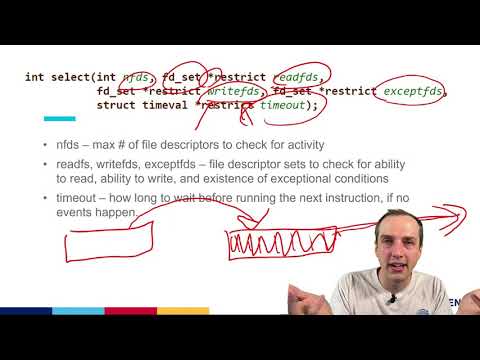
Taking complete control: why IO multiplexing works well for webservers and GUIs.
24:18

Chris Kanich
Concurrency: the cause of, and solution to, lots of problems in computing.
23:38

Chris Kanich
Concurrency: what's good about it, what's hard about it.
15:55

Chris Kanich
what's the difference between processes, threads, and io multiplexing?
14:48

Chris Kanich
A system programmer's introduction to the world wide web
21:21
Chris Kanich
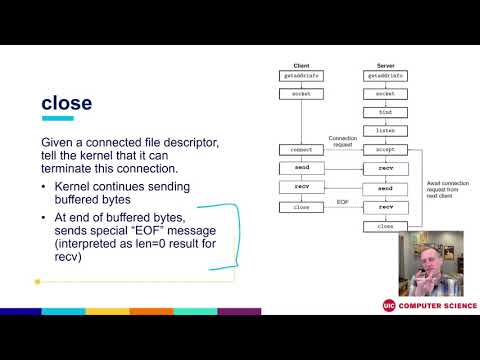
The Linux socket API explained
15:21

Chris Kanich
The Internet just plain DUNKS on the phone network. Here's why.
16:18

Chris Kanich
Playing nice with others: the ONE WEIRD TRICK that makes the whole Internet not explode
21:43

Chris Kanich
How do we make the Internet work? Like other hard problems! We break it down into smaller problems.
25:55

Chris Kanich
A system design approach to understanding what's so AWESOME about the Internet
14:22

Chris Kanich
understanding mmap, the workhorse behind keeping memory access efficient in linux
22:44

Chris Kanich
What does it take to design a memory allocator? Dynamic Memory Allocation System Design
22:32

Chris Kanich
what's in a heap? simple malloc implementation internals explained
36:07

Chris Kanich
What makes a dynamic memory allocator any good? Systems Programming Lectures
13:31

Chris Kanich
Demystifying Page Tables - Computer Systems Programming Course
34:54
Chris Kanich
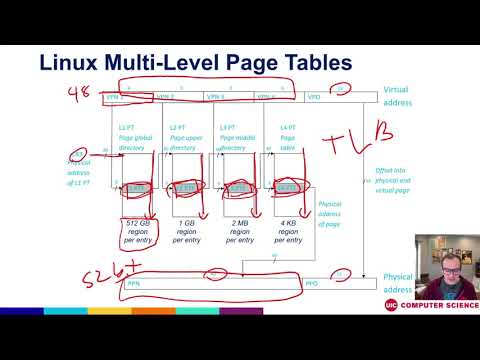
Page tables for your page tables: understanding how multi level page tables work
18:00

Chris Kanich
The magic of the page fault: understanding demand paging of virtual memory in linux
20:36

Chris Kanich
Virtual Memory: why it's useful, why it's hard.
10:56
Chris Kanich
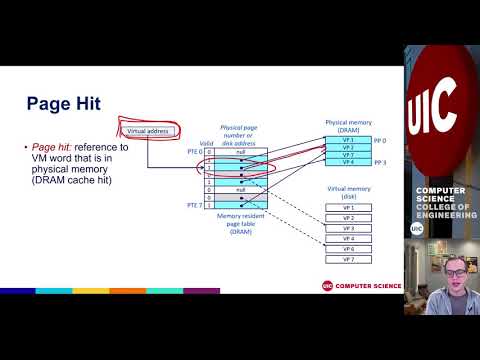
The magic of the page miss: understanding demand paging of virtual memory in linux
20:36

Chris Kanich
Virtual Memory: why it's useful, why it's hard.
10:56
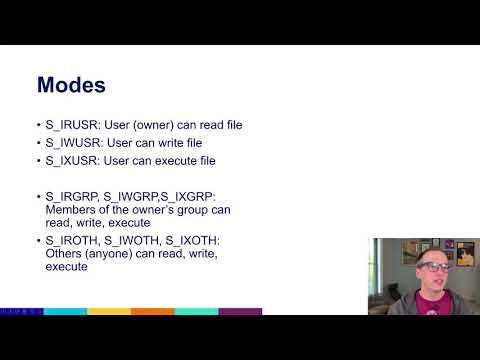
Chris Kanich
Interacting with files in Linux
38:00

Chris Kanich
What's behind a file descriptor in Linux? Also, i/o redirection with dup2.
20:20
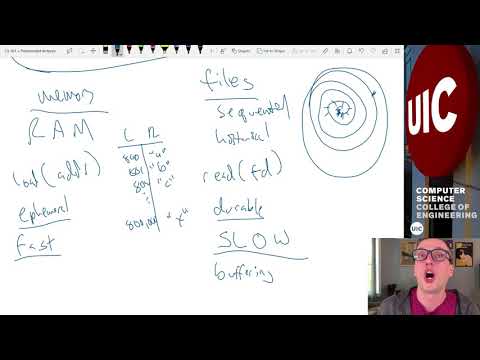
Chris Kanich
The file abstraction in Linux
12:56

Chris Kanich
Signal handling in Linux
53:32

Chris Kanich
Moving beyond fork() for process creation in Linux
1:01:56
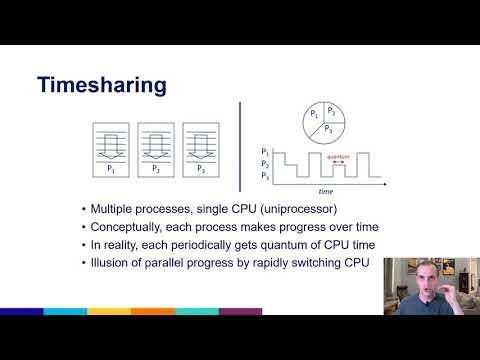
Chris Kanich
Introduction to Processes in Linux
22:00

Chris Kanich
The four flavors of exceptions in OS kernels
15:53
Chris Kanich
But no really how does printf work? Syscalls & Exceptional Control Flow
18:40

Chris Kanich
PIC GOT PLT OMG: how does the procedure linkage table work in linux?
49:35
Chris Kanich
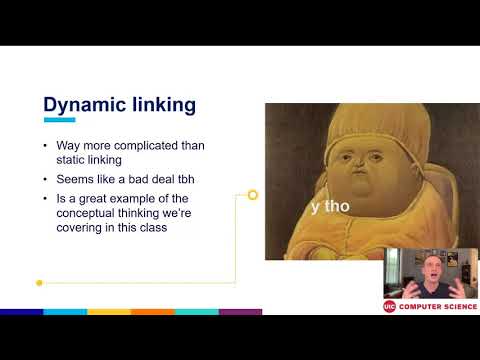
What's so good about dynamic linking anyway?
11:55

Chris Kanich
Linux Executable Symbol Relocation Explained
27:23

Chris Kanich
How do linkers resolve symbols? Systems Programming CS Lecture
33:19

Chris Kanich
Executable Linkers are basically just home theater setups
12:09

Chris Kanich
VSCode, Docker Desktop, and remote container based development environments
34:27

Chris Kanich
Tricks of the trade: git, GitHub, Gradescope
27:49
Chris Kanich
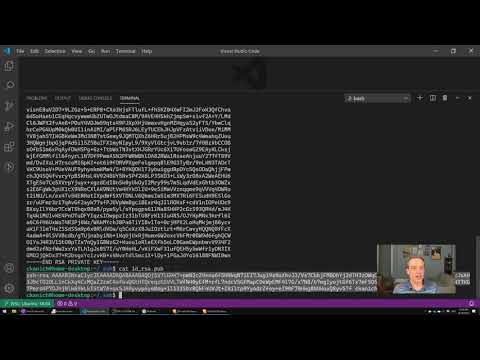
Tricks of the Trade: ssh
19:10

Chris Kanich
Tricks of the Trade: shells
27:44

Chris Kanich
Tricks of the trade: programming environments
16:33
Chris Kanich
"Tricks of the Trade" Module Introduction
7:34
Chris Kanich
CS 361 Systems Programming: Administrivia
18:37

Chris Kanich
Summer recording plans
3:17